
Gentle, realistic ways to feel more like yourself again
Introduction
Many people tell me they feel like they’re just getting through the days, rather than really living them. On the outside, things might look fine — work, family, responsibilities — but internally there’s exhaustion, tension, or a sense of disconnection.
This is what surviving often looks like.
Thriving doesn’t mean feeling happy all the time or having life perfectly organised. It means feeling more emotionally balanced, more present, and more able to respond rather than just cope.
In this post, I’ll share gentle, realistic emotional wellbeing practices you can start today — without adding pressure or another “thing you should be doing”.
Surviving vs Thriving: What’s the Difference?
When we’re in survival mode, the nervous system is focused on getting through the next demand. Over time, this can leave us feeling:
- Emotionally flat or overwhelmed
- Anxious or irritable
- Disconnected from ourselves or others
- Constantly tired, even after rest
- Stuck in autopilot
Thriving isn’t about pushing harder — it’s about creating safety, space, and self-understanding, so your system can soften.

Emotional Well-Being Practices You Can Start Today
🌿 1. Regulate Before You Reflect
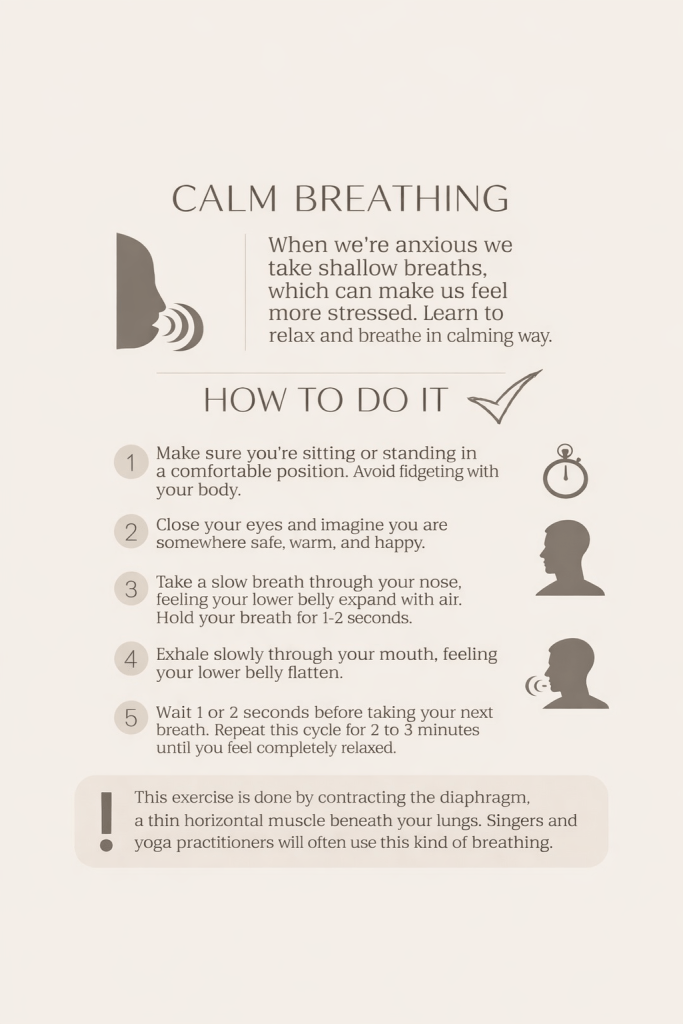
When emotions feel intense, it’s tempting to analyse or criticise yourself. Instead, start by calming the body.
Try:
- Slow, steady breathing
- Grounding your feet into the floor
- Placing a hand on your chest or abdomen
Regulation creates the foundation for emotional clarity.
🧠 2. Notice Without Judging
Emotional wellbeing improves when we stop fighting our internal experience.
Rather than “Why am I like this?”, try:
- “Something in me is struggling right now.”
- “This feeling is information, not a problem.”
Compassion reduces internal tension and builds resilience.
🌙 3. Make Space for Small Moments of Safety
Thriving often begins in small, quiet moments — not big life changes.
This could be:
- Sitting with a warm drink without distraction
- Stepping outside for fresh air
- Pausing between tasks
These moments signal safety to the nervous system and help restore balance.
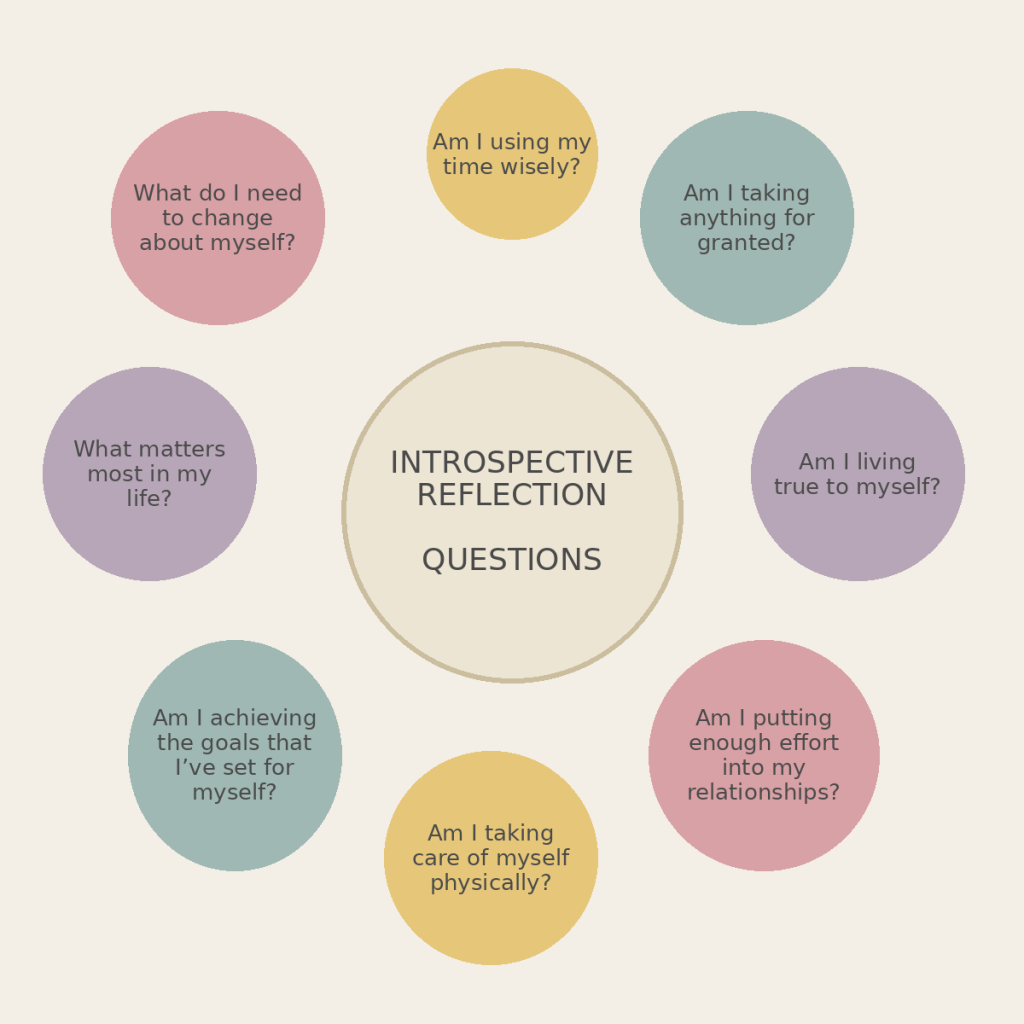
✍️ 4. Externalise What You’re Carrying
Holding everything internally is exhausting.
Writing thoughts down — even briefly — helps:
- Reduce mental overload
- Create emotional distance
- Clarify what actually needs attention
You don’t need to solve everything — just allow it to exist outside your head.
When Thriving Feels Out of Reach
If you’ve been in survival mode for a long time, it can feel difficult to access calm or clarity on your own.
This doesn’t mean you’re doing something wrong — it often means:
- Your system has been under prolonged stress
- Emotional needs haven’t had space to be acknowledged
- Patterns formed to protect you are no longer serving you
Therapy and hypnotherapy can help you understand these patterns gently, rather than pushing past them.
How Therapy Can Support Emotional Well-Being
A therapeutic space allows you to:
- Explore emotions safely and at your pace
- Understand why certain reactions show up
- Develop greater self-trust and emotional resilience
- Move from coping to genuine change
This work is not about “fixing” you — it’s about supporting the parts of you that have been working hard to cope.

Final Thoughts
Thriving isn’t a destination — it’s a gradual shift toward feeling more at home in yourself.
Small, compassionate changes can make a meaningful difference over time.
If you’d like support in moving out of survival mode and toward emotional wellbeing, I offer a free 15-minute introductory call to explore what might help — gently and without pressure.
 Here for when you are ready to make today, a good day.
Leave a comment