

From the outside, everything looks fine.
You’re working, managing responsibilities, keeping up with life, and maybe even appearing successful to others.
But inside, you feel completely drained.
You may wake up already tired, move through the day on autopilot, and collapse into the evening feeling mentally and emotionally exhausted.
If this sounds familiar, you may be experiencing something often called high-functioning burnout.
And it’s far more common than people realise.
What Is High-Functioning Burnout?
High-functioning burnout happens when someone continues to perform well and meet expectations, even while their internal resources are becoming depleted.
Because you’re still functioning, the signs often go unnoticed — by others and sometimes by yourself.
You might tell yourself:
- “I’m managing, so it can’t be that bad.”
- “Everyone feels like this.”
- “I just need to push through.”
But over time, constantly pushing forward without emotional recovery can leave your nervous system stuck in a state of chronic stress.
Signs You May Be High-Functioning but Exhausted
Many people experiencing this pattern report things like:
• Constant tiredness even after sleeping
• Feeling emotionally flat or disconnected
• Difficulty switching off or relaxing
• Irritability or feeling overwhelmed by small things
• Loss of motivation or enjoyment
• Feeling like you’re “just getting through the day”
Because life still appears to be working on the surface, these feelings can be easy to dismiss.
Yet internally, the pressure continues to build.

Why High-Functioning People Often Ignore Burnout
People who experience this type of exhaustion are often capable, responsible, and driven.
You may be someone who:
- Has always handled things independently
- Feels responsible for others
- Is used to meeting high expectations
- Struggles to prioritise your own needs
Over time, this can create a pattern where coping becomes automatic, even when you’re emotionally exhausted.
Instead of slowing down, many people simply adapt to the stress, until exhaustion becomes their normal state.

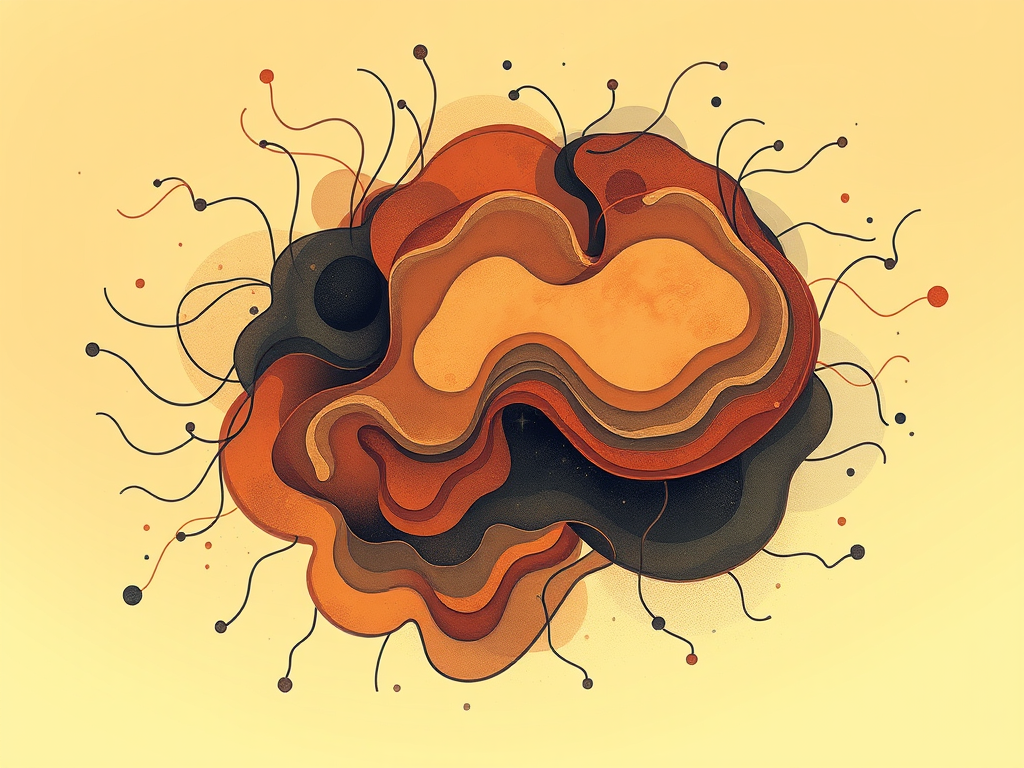
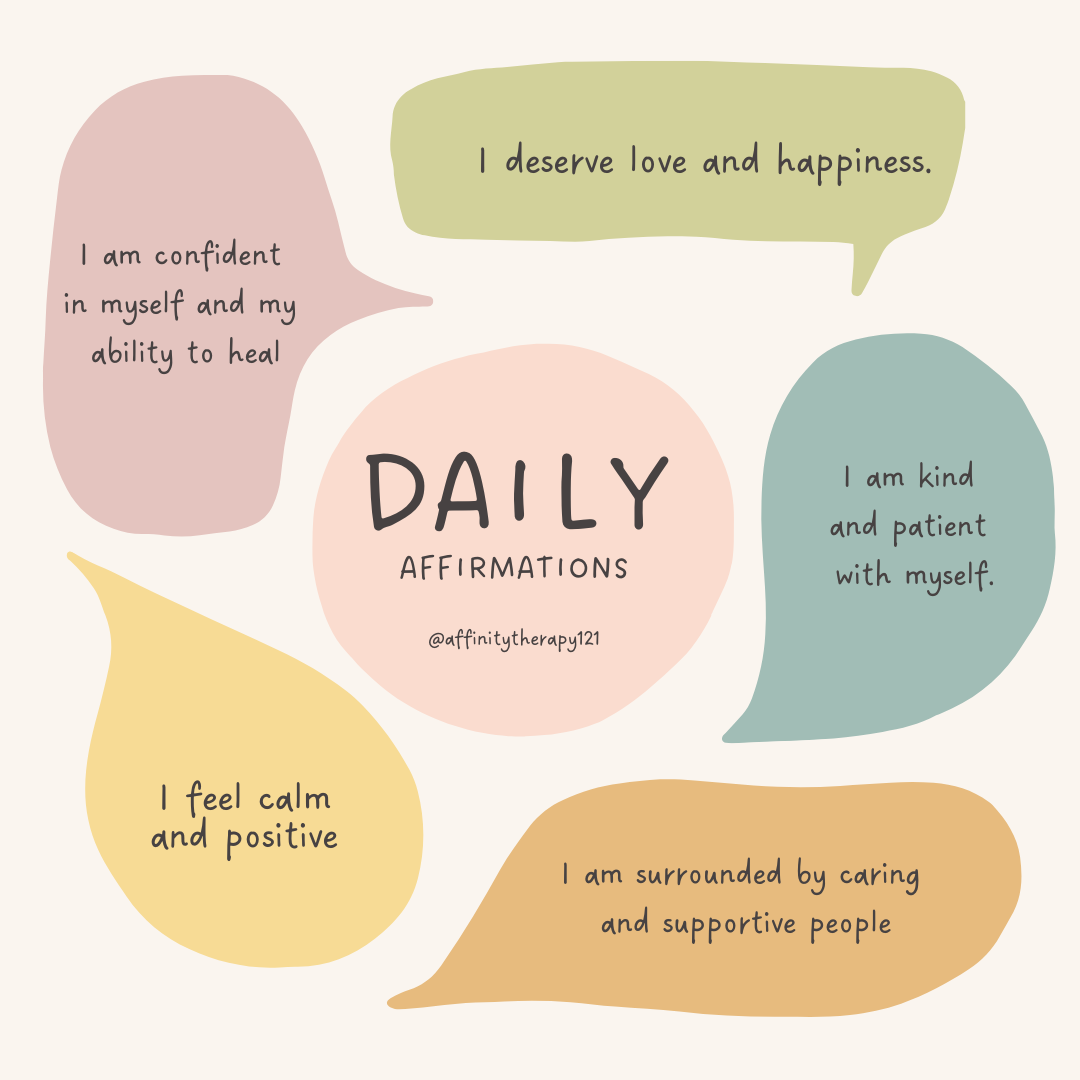
The Nervous System and Chronic Stress
When stress continues for long periods, the nervous system can remain in a heightened alert state.
This can affect sleep, mood, concentration, and energy levels.
Even when life becomes quieter, your body may still behave as if it needs to stay on high alert.
This is why people sometimes say:
“Nothing is particularly wrong, but I still feel overwhelmed.”
Your nervous system may simply be struggling to switch out of survival mode.
Why Talking About It Helps
High-functioning burnout often improves when people begin to slow down enough to explore what’s really happening beneath the surface.
Therapeutic approaches such as psychotherapy or hypnotherapy can help people:
- Understand the patterns keeping them stuck in stress
- Reconnect with their emotions and needs
- Calm an overactive nervous system
- Develop healthier ways of managing pressure
Often, the goal isn’t to stop functioning — but to function without constant exhaustion.



When to Consider Support
If you recognise yourself in this pattern, it may be worth taking a step back and asking:
- When did I last feel genuinely rested?
- Do I allow myself time to recover emotionally?
- Am I constantly pushing through stress?
Many people live with high-functioning burnout for years before seeking support.
But change often begins simply by acknowledging that something needs attention.
A Final Thought
Being capable and responsible are valuable qualities.
But coping shouldn’t come at the cost of your wellbeing.
If you find yourself feeling capable on the outside but exhausted on the inside, it may be a sign that your mind and nervous system need space to recover.
And sometimes, giving yourself permission to explore that is the first step toward feeling like yourself again.
If this has resonated with you, let’s talk…here
 Here for when you are ready to make today, a good day.
Leave a comment